
Feedback
AI Ad Video Example
Loading...
MiniMax H3 prompt
Go from rough idea to finished clip: build a MiniMax H3 prompt with shot timings, lens choices, and sound design for 2K video with stereo audio.
All Tools
Discover our comprehensive AI-powered animation toolkit
MiniMax H3
MiniMax H3 AI Video Generator

Veo3.1
Create Stunning Videos with Veo3.1
Grok Video Generator
Create Videos from Text or Images with AI
MiniMax H3 video generator
MiniMax H3 AI Video Generator
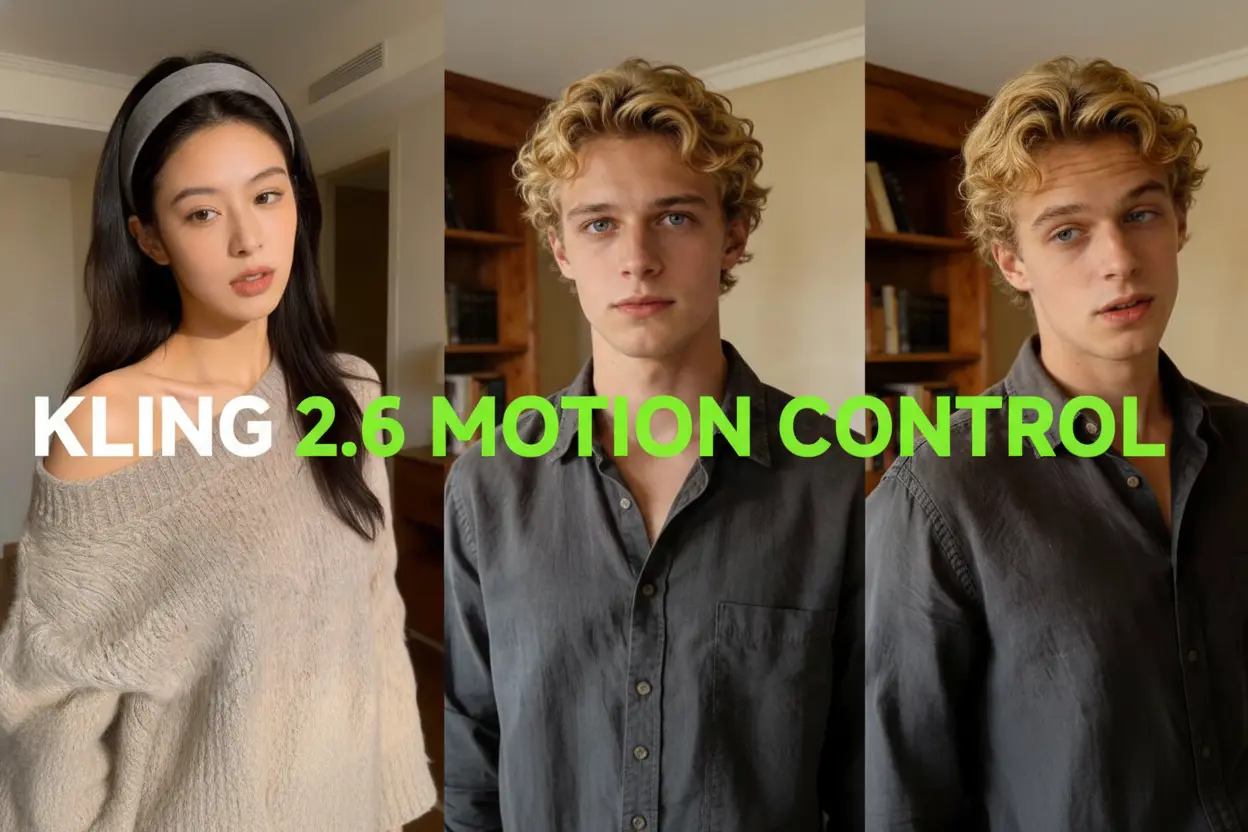
Kling Motion Control
Turn reference images into amazing motion videos in minutes
Sora2 AI
Advanced AI Video Generator for High-Quality Videos
AI Face Swap Video Generator
Create Face Swap videos easily
AI Bikini Generator
Turn Photo into Bikini Videos
The Anatomy of a Strong MiniMax H3 prompt
MiniMax H3 is an open-weight multimodal video model that returns 5-15 second clips at 2K and 24fps with stereo sound baked in. A single request accepts up to 7,000 characters, which is enough to give every reference asset a defined job, map the scene beat by beat, spell out lens and lighting choices, shape the soundtrack, and hold a character's look steady from the first frame to the last — with no need to stitch separate generations together.
- Every Reference Gets a RoleBefore anything else, state what each input is for — mood board, on-camera talent, product shot, visual style, or voice track. Naming that job up front is the single habit that separates a usable take from a random one.
- Pacing Marked in Time BlocksInstead of letting the model guess how quickly a scene should move, carve it into [0-2s] and [2-4s] windows inside one request, so multi-beat action unfolds with real rhythm rather than drifting like a slideshow.
- Sound Treated as StoryDescribe sub-bass weight, hi-hat placement, foley hits, and the exact moment a line of dialogue lands with the same precision you give to framing, so the native audio track matches the edit.
Building Your MiniMax H3 prompt, Step by Step
Four moves take you from an empty prompt field to a finished 2K clip with audio that lines up.
Core Techniques Behind a Reliable MiniMax H3 prompt
The habits that separate controlled, professional-looking output from guesswork: asset roles, scene timing, audio direction, negative instructions, continuity locking, edit constraints, film vocabulary, and action-based transitions.
Steering With Negative Directions
Say what you don't want, not only what you do — 'no soft dissolves', 'no garbled on-screen text', 'no sudden jump scares' — and the model has a clearer path to the result you pictured.
Continuity Locking
Keep a character, product, or location recognizable across every cut by listing the details that define them — hair, wardrobe, props, signage — so those notes travel through the whole scene.
Targeted Edits
When only one thing needs to change, name the replacement and the elements that must remain untouched, so the model adjusts a single region instead of rebuilding the entire shot.
Camera and Lens Vocabulary
Talk the way a cinematographer does — shot scale, lens behavior, exposure, handheld shake, rack focus, wide-angle distortion, film grain — and the framing lands far closer to intent.
Cuts as Physical Actions
Describe a transition as something that happens — a whip pan, motion blur, optical smear, exposure flicker — rather than naming an effect. Physical description reads more reliably.
Room for the Whole Script
With 7,000 characters available, an entire scene fits in one request: setup, timed shots, sound design, and constraints together, with nothing split across separate generations.
MiniMax H3 prompt: Common Questions
Straight answers about prompting the MiniMax H3 video model — length limits, reference handling, audio direction, and continuity.
What does a MiniMax H3 prompt guide actually cover?
It gathers the practices that make this open-weight multimodal model perform: giving each reference a purpose, marking scene beats in time, directing audio, listing exclusions, locking character details, and using cinematic language — all aimed at 2K clips with native stereo sound.
Is there a length limit on the prompt?
You have up to 7,000 characters to work with, which comfortably fits a full shot list, timed beats, camera notes, audio design, and constraints in a single submission.
How should I handle several reference files at once?
Give each one a distinct job — 'Image 1 for mood, Image 2 for talent, Audio 1 for voice'. A single request supports as many as 9 images, 3 video clips, and 3 audio files.
Do I need to describe the audio too?
Yes. Treat the soundtrack as another part of the scene: note the music's structure, when instruments enter, foley details, and dialogue delivery, so the generated audio lands on the same beat as the visuals.
What keeps a character looking the same across shots?
Write down the features that define them — hair, wardrobe, props, and scene details — and repeat those notes through every timed beat so nothing shifts between cuts.
What tends to weaken a prompt?
Unclear pacing and unwanted styles. Swap slideshow-style sequencing for timed blocks, and add negative instructions that push the model away from elements you don't want on screen.
Put Your First MiniMax H3 prompt to Work
Turn a written plan into finished 2K video with native stereo audio — reference roles defined, shots timed, camera language cinematic, and sound directed precisely, all within one prompt.